

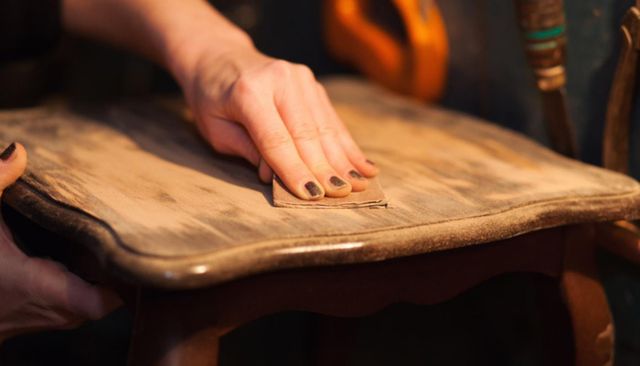
A scratch on a favorite table or dresser does not always mean the piece needs refinishing. Some marks sit in the surface coating; others cut through the finish, expose the material beneath it or damage a thin layer of veneer. Knowing the difference helps you avoid turning a small blemish into a larger repair.
The safest way to fix scratches on wood furniture is to identify the material and finish first, clean only as the manufacturer permits, and use a compatible touch-up method for minor cosmetic damage. Deep gouges, lifting veneer and unfamiliar finishes deserve professional advice. Start with the checks below before reaching for a cleaner, marker or sandpaper.
Find Furniture That Fits Your Home
Compare styles, materials and care requirements before choosing your next table, dresser or bedroom set.
Explore Walker FurnitureIdentify the Material and Finish Before Repairing a Scratch

The wood species alone does not tell you how to treat a scratch. A clear coating, paint or other finish is the surface you touch, and different coatings respond differently to cleaners and repair products. A hard wood can still have a scratched finish. There is no scratch-proof wood furniture.
- Solid wood: The component is wood through its thickness, but that does not make sanding or refinishing automatically safe. Color, sheen and coating compatibility still matter.
- Wood veneer: A thin layer of real wood covers a supporting material. Aggressive sanding can cut through that decorative layer. Peeling, bubbling or chipped veneer needs a different approach from a faint surface mark.
- Laminate or a printed wood-look surface: The decorative surface is not the same as exposed wood grain. Do not assume a wood stain pen, oil or filler is suitable.
- Painted, high-gloss or specialty finishes: Even a close color match can leave a noticeable difference in shine or texture. Ask for finish-specific guidance.
Look for the manufacturer name, model number and care instructions on your receipt or furniture label. If the construction or finish is uncertain, pause before applying a repair product. A retailer or furniture technician may be able to help identify the appropriate next step from the model information and clear photos.
Is It a Scuff, a Light Scratch or a Deep Gouge?
Examine the area in good light from more than one angle. Take a photo before doing anything so you can compare the result and explain the damage if you seek help. Do not scrape the surface to test its depth.
- A surface scuff: A transferred mark or residue may sit on top of an otherwise intact coating. Manufacturer-approved gentle cleaning may remove it.
- A fine scratch in the finish: A faint line or change in gloss may remain after cleaning. A compatible cosmetic treatment might make it less noticeable without removing the scratch itself.
- A scratch through the finish: A pale line, exposed material or groove may need color matching and a more controlled repair.
- A gouge, split or damaged veneer: Missing material, a loose edge, bubbling or cracking is a reason to consult a professional rather than start with a polishing product.
A cloudy ring or white patch is not necessarily a scratch. Treating every mark as damaged wood can lead to the wrong repair, particularly when moisture or heat has affected the coating.
How to Touch Up a Minor Scratch Without Making It Worse
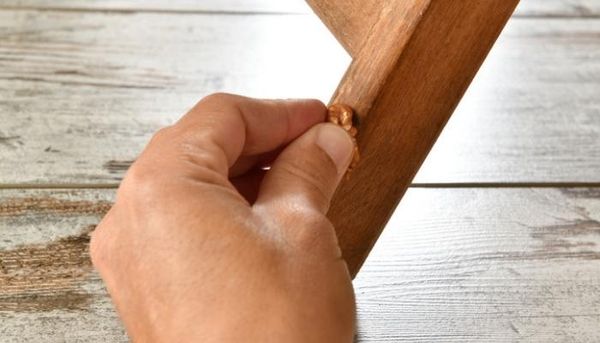
Use this conservative process only for small cosmetic marks on a surface whose care requirements you can confirm. An inconspicuous test is important, but it does not make an incompatible product safe for every finish.
- Check the care guide and any coverage first. If damage appeared on delivery or may involve a warranty or protection plan, photograph it and contact the appropriate provider before attempting a repair. Coverage varies; do not assume accidental damage is included.
- Remove loose dust gently. Start with a clean, soft, lint-free cloth. Use only the cleaner and moisture level allowed for that furniture. Do not soak seams, edges or exposed wood, and dry as directed.
- Reassess once the surface is dry. If the mark was residue, you may not need a repair. If the finish feels sticky, changes color or looks hazy, stop rather than trying more products.
- Select a compatible furniture touch-up product. For a small color loss, a manufacturer-approved marker, crayon or repair kit may reduce contrast. Check its intended surface, color and sheen. A household writing marker is not a substitute.
- Test in a hidden location. Follow the product instructions, including preparation and drying time. Compare the color and appearance after it has dried, not only while wet.
- Apply only as directed and evaluate. Work on the small affected area rather than coating the whole piece. Stop if the result is uneven or the product affects the surrounding finish. Do not improvise a topcoat to conceal a poor match.
The goal of a touch-up is often to disguise a minor flaw, not recreate the original factory finish. A marker does not fill a deep groove, and a polish does not restore missing wood.
Deep Scratches, Pet Damage and Veneer: When to Get Help
Deep scratches can require a combination of filling, color matching and finish repair. Those steps depend on the existing coating and construction; they are not a universal sequence of filler, sandpaper and polyurethane. A mismatched repair can create a larger patch that is harder to blend than the original mark.
Contact a qualified furniture repair professional for missing veneer, deep gouges, loose joints, widespread pet claw damage, or a valuable, antique or sentimental piece. Do the same when a previous touch-up has made the finish sticky, patchy or discolored. Structural damage is not a cosmetic touch-up project.
Prepare the model information, photos of the whole piece and close-ups of the damage. Tell the technician which cleaners or repair products have already been used. Ask whether the proposed treatment is cosmetic touch-up, a local finish repair or broader refinishing, and what color or sheen differences may remain.
DIY Scratch Remedies to Avoid Without Finish-Specific Approval
Online shortcuts often leave out the most important detail: the finish they were tested on. Do not treat a successful result on one table as proof that the same method is safe on yours.
- Rubbing alcohol, acetone and other solvents: Do not use them as general scratch removers on an unidentified finish.
- Cooking oil, vinegar, nuts and household colorants: These are not universal furniture repairs. Temporary darkening can hide contrast without fixing damage, and compatibility with your coating is unknown.
- Abrasive pads, melamine sponges and vigorous rubbing: They can change the surface sheen or remove finish. Do not buff harder simply because a mark remains.
- Steam, an iron or soaking: A dent-raising trick is not a general scratch treatment, especially on finished surfaces or veneer.
- Unplanned sanding or sealing: Avoid sanding through a veneer or covering an unknown finish with stain, polyurethane or shellac.
Care recommendations genuinely differ by manufacturer. For example, Ethan Allen's care guidance does not recommend routine polish use on its furniture. Follow the instructions for your own piece rather than assuming all wood needs wax, oil or polish.
How to Protect Wood Furniture from Future Scratches
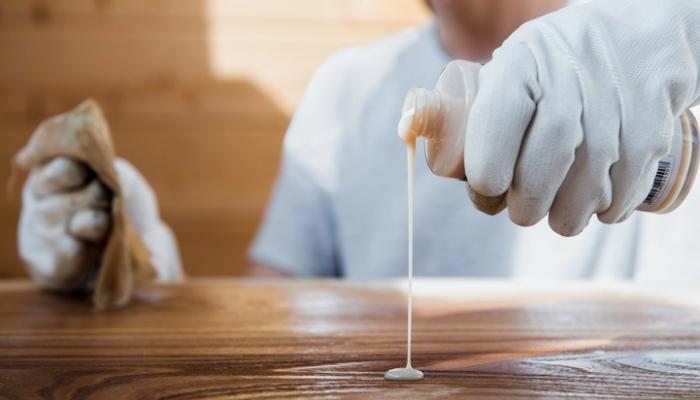
Prevention is usually simpler than trying to match a damaged finish. Build a care routine around the way each surface is used.
- Lift rather than drag. Pick up lamps, decorations and serving pieces when moving them.
- Use suitable protective pads. Check that felt pads under accessories are clean and intact. Grit trapped underneath can still mark a surface.
- Protect dining and work areas. Use finish-compatible placemats, coasters, hot pads and writing pads. Keep their undersides clean, and follow the furniture maker's guidance on protective coverings.
- Keep everyday clutter contained. A tray with a suitable backing can keep keys and other rough objects off a tabletop.
- Dust gently and address spills promptly. Use the manufacturer's care routine, not a new product each time a mark appears.
- Plan for pets and regular use. Keep appropriate scratching surfaces available for cats and prevent repeated climbing or claw contact with vulnerable furniture edges.
When shopping for a dining table, coffee table or end table, ask about the actual material, finish and recommended care. A decorative finish does not make a piece immune to damage.
Wood Furniture Ideas from Walker
Good furniture care starts before a purchase. Compare construction and care instructions alongside appearance and size. These illustrated examples show different ways to bring wood tones into a room; confirm current availability and specifications before ordering.
Bedroom: Coordinated Wood Tones

Pictured: Tigard 6 Piece Queen Bedroom Set. This is an earlier illustrated example, not a current stock promise. Browse wood bedroom sets for current options, and compare the bed, dresser and nightstand materials individually. Ask which surfaces are solid wood, veneer or another material and how each should be maintained.
A separate wood dresser can also add storage without replacing an entire room. For more styling ideas, explore Wood Nightstand Ideas: Bedroom Styles.
Dining Room: A Surface for Everyday Meals

Pictured: Denver 5 Piece Dining Set. This earlier example is retained for design inspiration. Browse wood dining tables and confirm current set contents and care instructions with the retailer. Consider how the tabletop will handle your routine, including homework, serving dishes and daily cleanup. Coordinating bar and wine furniture can add serving storage without crowding the main table.
Living Room: Useful Accent Surfaces

Pictured: Era Cocktail Table. Check the current product details for dimensions, materials and availability. When comparing living room tables, think about walking clearance, cup placement and the accessories you use most. Protective pads and coasters can help keep these frequently used surfaces looking their best.
Wood Furniture Scratch FAQs
Some surface marks can be cleaned away, while minor scratches may only be made less noticeable. Damage through the finish or into the material may need professional repair. No single remedy can promise an invisible result on every piece.
Do not use this as a universal scratch treatment. Follow your furniture manufacturer’s care instructions instead. A household mixture may change the appearance temporarily without repairing the damage, and its compatibility with your finish may be unknown.
Do not start sanding veneer as a general DIY fix. Its real-wood surface is thin and can be sanded through. A furniture technician can assess whether a local touch-up or another repair is appropriate.
A compatible marker may reduce the contrast of a small exposed area, but it does not replace missing material or rebuild the finish. Deep grooves, chipped veneer or widespread damage need a separate assessment.
No wood furniture is scratch-proof. Species, construction, finish and everyday use all matter, and damage to the coating is different from a dent in the underlying wood. Ask about care requirements instead of relying on a blanket hardwood ranking.
Explore Walker Furniture & Mattress online and use the store information page to check locations and hours. Confirm current product availability, materials and care instructions with the store before purchasing.
Why Trust Walker Furniture & Mattress?
Walker Furniture & Mattress offers furniture and mattresses for shoppers in the Las Vegas and Henderson area. Our online collections let you compare room categories, while our store information page helps you plan a visit. Ask our team about the construction, finish and care information available for the pieces you are considering.
This guide is intended to help you assess a scratch and ask better care questions. It does not replace the furniture manufacturer's instructions or an in-person repair assessment.
Shop Furniture at Walker Furniture & Mattress
Explore living room furniture, dining room furniture and bedroom furniture to find pieces that suit your space and everyday needs. You can also browse mattresses or get more inspiration from our leather sectional styling guide.
Choose Your Next Piece with Care in Mind
Bring your room measurements and questions about materials, finishes and maintenance. Check location details before visiting.
Contact or Visit Walker